
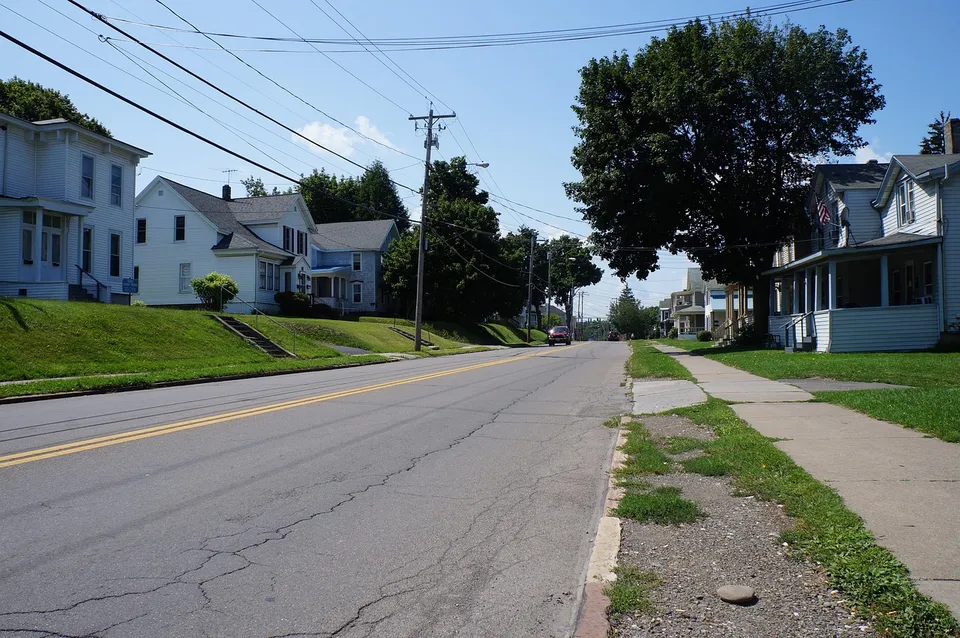
Housing in Park Rapids Starts With Rules, Not Guesswork
In Park Rapids, the first housing question is often not “What does it cost?” but “What kind of property am I looking at?” That matters because the city treats rentals, short-term lodging, inspections, and permits as separate pieces of the same housing picture. The city’s Rental Forms and Information page lists a rental license application, inspection checklist, rental safety guidelines, a short-term rental application, and a lodging-tax remittance form, which tells newcomers that a year-round home, a vacation stay, and a home-based use are not handled the same way.
That distinction is easy to miss if you only look at listings. Park Rapids sits in Hubbard County, where ownership is still the dominant housing pattern: the county’s owner-occupied housing unit rate is 83.1% for 2020–2024. In practical terms, that means the market is shaped by homeowners, lake properties, seasonal places, and a smaller pool of year-round rentals rather than by a dense apartment landscape. The county’s population profile also shows an older, more settled community than many metro areas, which helps explain why housing here often feels tied to ownership, succession, and long-term attachment to place.
Why the paperwork matters
The city’s planning rules make a second point just as clearly: living in Park Rapids can also mean asking what you plan to do on the property. The city’s planning FAQ says a development plan review generally takes about 60–90 days, while home occupations are allowed in most residential districts with a conditional-use permit and often take 30–60 days to review. Building and plumbing permits are required for nearly any construction or remodeling project. For someone moving in, opening a small office from home, adding a garage, or renovating an older place, those timelines are not background details; they are part of the move itself.
That is one reason the Park Rapids housing market feels more administrative than casual. The city is not only handing out addresses; it is managing how those addresses function. A house that looks simple from the street may still involve rental licensing, inspection standards, permit review, or short-term-rental rules. For residents, that can be reassuring because it gives structure to the market. For newcomers, it means the safest first step is to understand the property category before assuming a lease or purchase will work the same way it might somewhere else.
Utilities tell you what kind of town this is
Housing in Park Rapids is also shaped by public infrastructure. The city’s water system has 1,370 municipal connections served by two water towers and five wells, while the sewer system has 1,270 connections and 16 lift stations. Those are not just engineering statistics. They show that city-lot housing, infill neighborhoods, and denser in-town addresses depend on a real municipal utility network, while homes outside the city may rely on different systems and different maintenance choices. In a place where town, township, and lake property all coexist, utilities are part of the housing decision itself.
That distinction matters because Park Rapids is the county seat, but it is not the whole housing region. The Hubbard County map places Park Rapids alongside Akeley, Laporte, and Nevis, with many townships and lake areas around them. The practical result is a housing market that stretches beyond one city boundary. Someone moving to Park Rapids may end up comparing in-town rentals, nearby rural homes, and lake-country properties that all look similar on a map but function very differently once you ask about water, sewer, commuting, and snow removal.
Getting around is part of the housing decision
A good address in Park Rapids is not only about the building; it is also about access. Hubbard County’s transit service, Heartland Express, says it provides curb-to-curb bus service to Park Rapids and Bemidji and can get riders around the City of Park Rapids. It also works with Veterans Services, Community Education, the Development Achievement Center, Social Services, Medicaid, and others. That makes transportation part of daily housing life, especially for people who do not want to rely on a second vehicle every day or who need access to appointments and services beyond their immediate neighborhood.
That service does not erase the need to plan carefully. A bus exists is not the same as a route that fits every shift, every school pickup, or every errand. Still, for a small regional center like Park Rapids, the presence of county transit is meaningful because it connects housing to the rest of the daily routine: medical visits, errands, school-related trips, and trips to nearby communities all become easier when mobility is built into the local system.
What newcomers should check before they sign
If you are comparing places in Park Rapids, start with four questions. First, is the property a year-round rental, a seasonal place, or a short-term lodging unit? The city’s rental forms page makes clear that those categories are regulated differently. Second, is the property inside the city utility network, or does it depend on a different setup? Third, will your plans for the property require a permit or conditional-use review? Fourth, does transportation work for the way you live, whether that means driving, using Heartland Express, or combining both?
Those questions are useful because they turn Park Rapids from a name on a listing into a place with systems. Some towns are easy to describe but hard to live in. Park Rapids is almost the opposite: it looks straightforward until you notice the paperwork, utilities, transit, and county geography underneath it. Once you do, the housing picture becomes clearer. You are not just choosing a house; you are choosing how you will fit into a city, a county seat, and a regional network of services.
For anyone planning a move, the most useful next step is simple: read the city’s rental forms page and planning FAQ before you sign anything, then compare what you find with your utility and transportation needs. That small bit of homework can save a lot of surprise later.